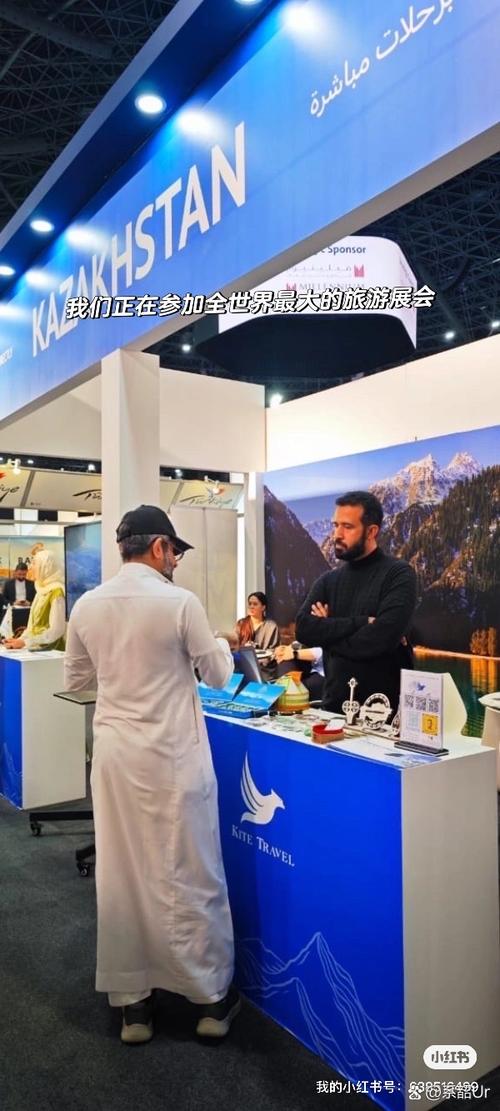
The Arabian Travel Market (ATM) has firmly established itself as the premier trade event for both inbound and outbound tourism in the Middle East. More than just a bustling exhibition, ATM serves as a strategic catalyst for the region’s inbound tourism sector, drawing global attention to the diverse destinations, cultural treasures, and business opportunities across the Middle East.
Inbound tourism—the flow of international visitors into a destination—is a vital economic driver for many Middle Eastern nations. ATM facilitates this growth by creating a centralized platform where tourism boards, hotels, airlines, tour operators, and travel technology providers converge. For inbound-focused stakeholders, the event offers an unparalleled opportunity to showcase their offerings to a global audience of travel buyers, media, and industry influencers.
One of ATM’s core strengths is its ability to foster business connections that translate directly into inbound visitor numbers. Through pre-scheduled appointments, networking sessions, and dedicated destination pavilions, exhibitors from countries such as the UAE, Saudi Arabia, Qatar, Oman, Jordan, and Egypt can negotiate contracts with international tour operators and travel agencies. These deals often result in new package tours, charter flights, and promotional campaigns that bring more travelers to the region.
Knowledge sharing is another pillar of ATM’s impact on inbound tourism. The event hosts conference stages featuring expert panels on market trends, sustainability, cultural heritage, and digital transformation. For inbound tourism professionals, these sessions provide actionable insights into traveler preferences—such as the growing demand for experiential travel, wellness tourism, and eco-friendly options—allowing destinations to tailor their products effectively.
Furthermore, ATM embraces travel technology, with a dedicated segment for innovations that enhance the inbound visitor experience. From seamless visa processing solutions to AI-powered itinerary planners and smart destination management systems, these tools help Middle Eastern destinations become more accessible and attractive to international travelers.
As the Middle East continues to diversify its economies away from oil, inbound tourism is a key pillar of many national visions, including Saudi Vision 2030 and UAE Centennial 2071. ATM acts as a yearly milestone where progress is assessed, partnerships are formed, and new strategies are launched. By connecting supply and demand on a global scale, the Arabian Travel Market ensures that the Middle East remains a top-of-mind destination for travelers worldwide, driving sustainable inbound tourism growth for years to come.